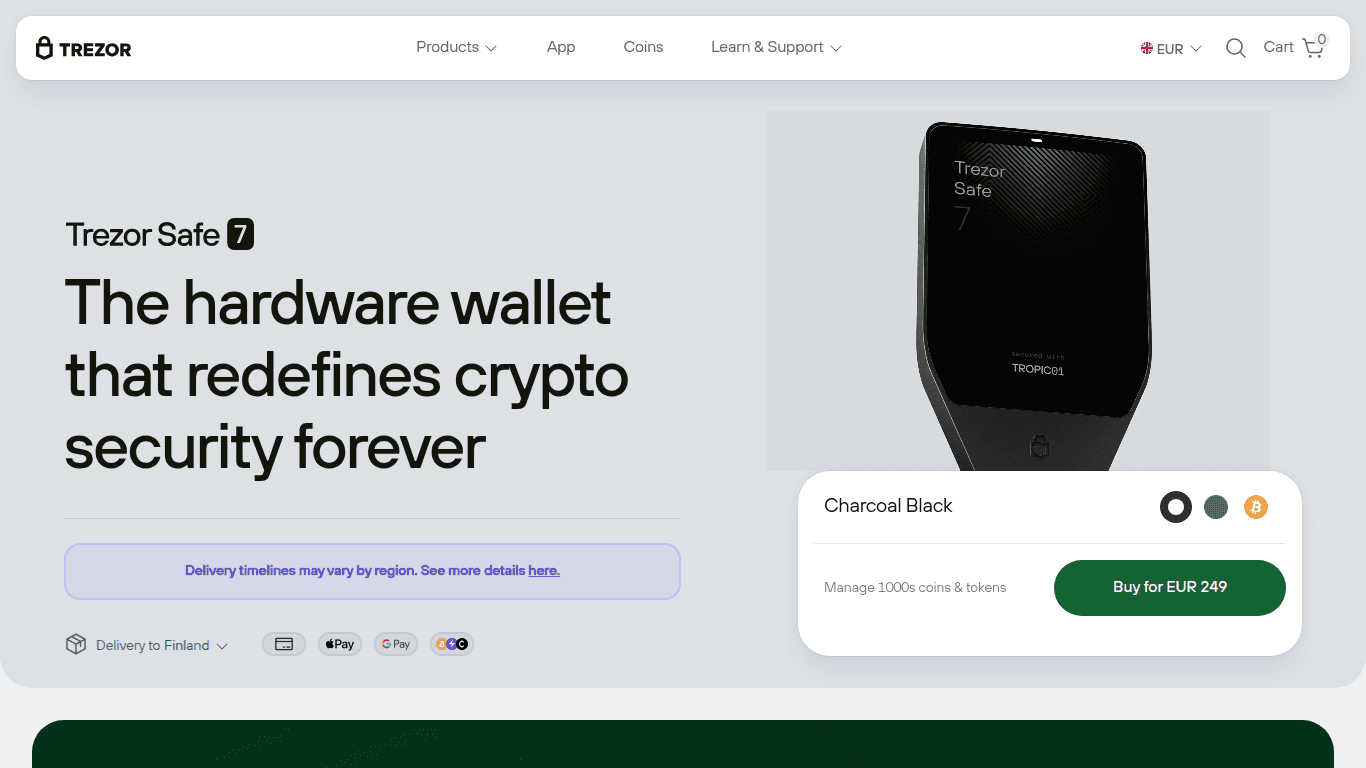
Trézór.io/Start™ serves as the official entry point for configuring and securing Trezor hardware wallets. It ensures that users follow authenticated procedures when setting up their devices, reducing the risk of scams and unauthorized access. The platform is designed for both beginners and advanced cryptocurrency users.
Why Trézór.io/Start™ Is Important
Using Trézór.io/Start™ ensures that your wallet is initialized correctly and securely. Many crypto losses occur due to improper setup or phishing websites. Trézór.io/Start™ eliminates these risks by providing a verified environment for firmware updates, wallet creation, and recovery options.
Step-by-Step Wallet Initialization
Trézór.io/Start™ walks users through each critical step:
Device connection and verification
Firmware installation and validation
Wallet creation or recovery
PIN and passphrase configuration
Recovery seed generation
Each step happens locally on the device, ensuring sensitive data never leaves your hardware wallet.
Advanced Security Architecture
The platform leverages advanced cryptographic principles:
Private keys remain offline
Transaction confirmation on device screen
Protection from malicious software
Secure bootloader and firmware integrity
Even if your computer is compromised, your funds remain secure because transaction approvals require physical confirmation on the device.
Managing Crypto Assets with Trézór.io/Start™
Once setup is complete, users can manage assets through Trezor Suite. Trézór.io/Start™ ensures smooth integration with portfolio tracking, transaction history, and account management. Users can safely send, receive, and exchange cryptocurrencies without exposing sensitive credentials.
Recovery and Backup Options
If a Trezor device is lost or damaged, Trézór.io/Start™ allows full wallet recovery using the original recovery seed. This feature ensures long-term asset protection and peace of mind. Users are encouraged to store their recovery phrase securely and never digitize it.
Common Mistakes to Avoid
Entering recovery seed on unverified websites
Ignoring firmware updates
Storing recovery phrase online
Using weak PIN codes